Precious Memories Font Review for Branding Projects
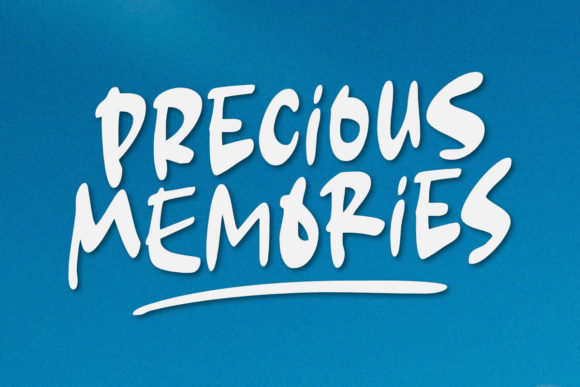
It was a quiet afternoon, and I had just opened a fresh brand board, ready to start shaping the visual identity for a new boutique skincare line. The challenge was clear: create something warm, inviting, and authentic. That’s when I first encountered Precious Memories, a cool, brushed, and friendly display font that immediately caught my attention.
A Friendly Brushstroke in a Sea of Modern Typography
Precious Memories has this soft, handcrafted feel that sets it apart from the rigid modern typefaces we often see in branding. It’s not overly ornate, but there’s a subtle texture to each letterform that gives it a personal, almost handwritten quality. The brushstrokes are gentle, with slight variations in weight that mimic natural pen movements. This makes it feel approachable, like a friend sharing a story over coffee.
What stood out most was how well it balanced style with readability. Even at smaller sizes, the letters maintained clarity, which is rare for a display font. It’s the kind of font that feels both artistic and professional—perfect for projects where you want to communicate warmth without sacrificing polish.
Testing Precious Memories in Real Branding Contexts
I tested Precious Memories across several branding elements. First, on a logo concept for the skincare brand. The name “Lush Bloom” paired beautifully with this font. The soft curves and gentle strokes gave the brand an organic, natural vibe that aligned perfectly with its eco-conscious values.
Next, I used it on a packaging mockup. The font worked well on product labels, especially when paired with a minimalist serif font for body text. It added character without overwhelming the design. On a business card, it felt right at home—elegant enough for a professional touch, yet warm enough to make someone smile.
For social media posts, Precious Memories brought a sense of personality to headlines and captions. It didn’t look out of place next to photography or illustrations, which is a big plus for content creators who want their visuals to feel cohesive.
Where Precious Memories Shines and Where It Might Fall Short
This font excels as a display font, headline font, or short phrase font. It’s ideal for logos, brand tags, website headers, and promotional materials. However, it might not be the best choice for long-form text, such as body copy in editorial design or lengthy paragraphs on a website. Its decorative nature can make it less legible in small sizes or dense blocks of text.
If you're working on a formal corporate brand or a project that requires strict typographic consistency, you may want to pair Precious Memories with a more structured sans-serif or serif font. For example, combining it with a clean sans-serif like Helvetica Neue creates a nice contrast between the playful and the professional.
Practical Tips for Using Precious Memories in Your Work
Before committing to Precious Memories in any client work, I recommend testing it across different mediums and sizes. Try it on a shop sign, a printed card, and a digital banner to see how it performs under various conditions. Also, check if the font includes alternates, ligatures, or swashes that could add extra flair to your designs.
Don’t forget to review the licensing terms. Since this is a commercial font, ensure you have the right permissions to use it in final client deliverables, including websites, print-on-demand products, and merchandise. Many premium fonts offer webfont versions, which can be useful for online projects.
Font pairing is also key. If you’re using Precious Memories as a headline font, consider balancing it with a complementary body font. A classic serif like Georgia or a modern sans-serif like Montserrat can provide the right contrast while keeping your design visually harmonious.
In the end, Precious Memories proved to be a versatile and expressive addition to my typography toolkit. Whether I was designing a logo, a packaging label, or a social media graphic, it brought a unique personality to every project. It’s not just a font—it’s a storytelling tool that can help your brand connect with audiences on a more emotional level.